



Why Roof Design Plays a Larger Role Than Many Homeowners Expect
When people think about a home’s roof, they often focus on appearance or the type of roofing material covering it. While these factors matter, roof design has a much broader influence on how a home performs throughout the year. The shape, slope, structure, and overall layout of a roof affect drainage, ventilation, energy efficiency, durability, and even future maintenance. These elements work together to protect the home while supporting comfortable indoor living. On the other hand, if you plan to build a house without unpleasant surprises, visit https://www.hurra-wir-bauen.de/hausbau/fertighaus/hausbau-ohne-boese-ueberraschungen.

Protecting Against Weather Conditions
A roof serves as the home’s first line of defense against changing weather. Rain, wind, sunlight, and seasonal temperature changes all place continuous stress on the structure. Roof design determines how effectively water drains away from the building after rainfall. Proper roof slopes reduce standing water that could eventually lead to leaks or material deterioration. Wind resistance is also influenced by roof shape because certain designs handle strong gusts more effectively than others. A thoughtfully planned roof helps the home withstand environmental conditions while reducing unnecessary wear over time.
Supporting Indoor Comfort
Roof design has a direct effect on indoor temperatures throughout the year. Heat from the sun reaches the roof before affecting the rest of the building, making the roof an important part of overall thermal performance. Well-designed roofs often include ventilation systems that allow hot air to escape from attic spaces. Better airflow reduces heat buildup during warmer months while helping maintain balanced indoor conditions. During cooler seasons, proper roof construction also supports insulation by limiting unwanted heat loss. Together, these features create a more comfortable indoor environment without placing unnecessary strain on heating and cooling systems.
Encouraging Long-Term Durability
Every part of a home’s structure depends on long-term protection from moisture and environmental exposure. Roof design plays an important role in preserving this protection. Effective drainage prevents water from collecting around vulnerable areas such as valleys, flashing, and roof edges. Good structural design also distributes loads more evenly across the building, helping the roof withstand changing weather conditions over many years. Proper ventilation further reduces moisture accumulation inside attic spaces that could otherwise affect wood framing or insulation. These combined factors contribute to longer-lasting structural performance while reducing the likelihood of avoidable repairs.
Improving Energy Efficiency
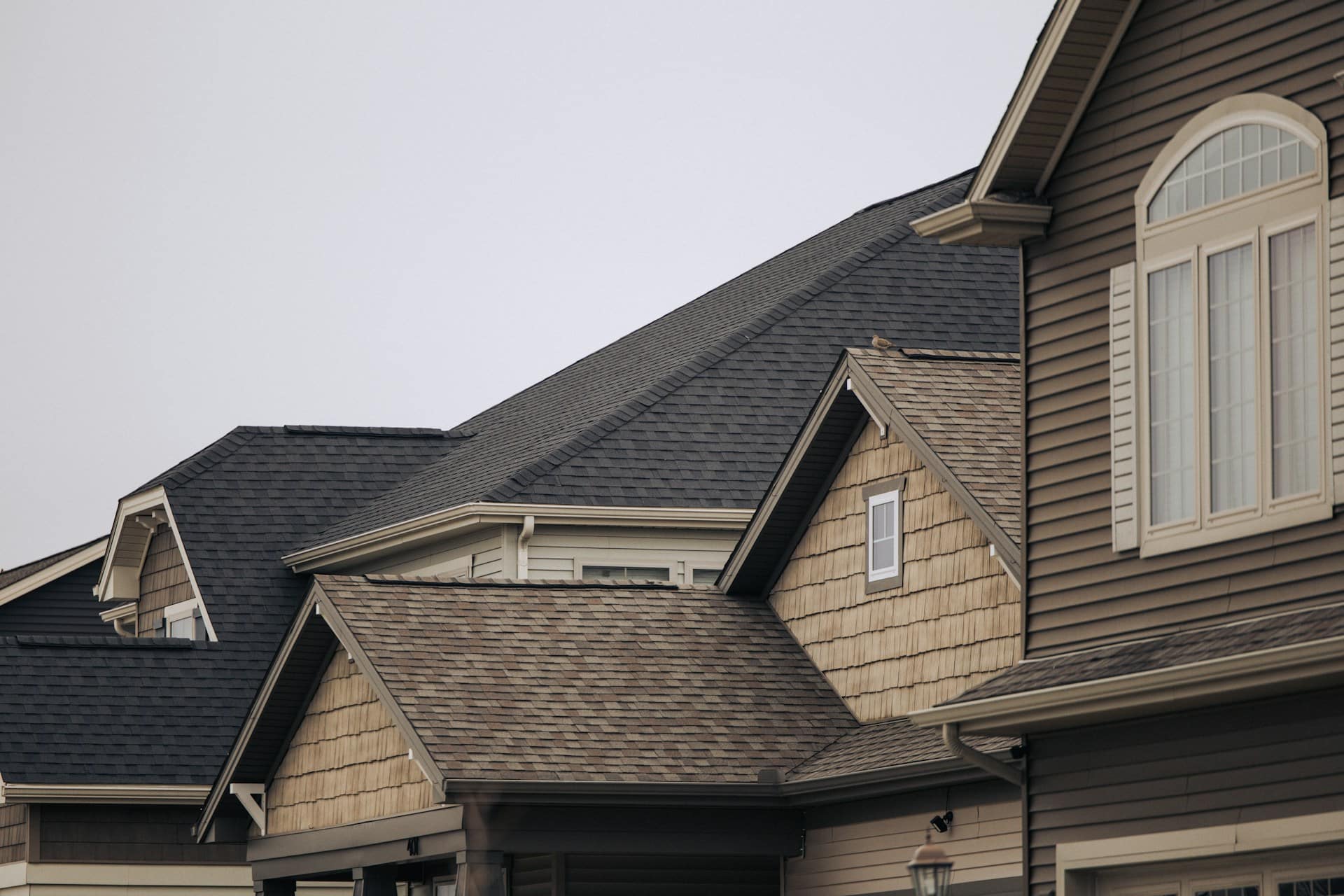
Energy efficiency depends on how effectively a home manages heat transfer. Roof design contributes significantly because it covers one of the largest exterior surfaces of the building. Proper ventilation, insulation placement, and roof geometry all influence how much energy is required to maintain comfortable indoor temperatures. Homes with efficient roof designs often experience lower cooling demands during hot weather and improved heat retention during cooler periods. Reduced energy consumption benefits homeowners by supporting lower utility costs while improving the overall performance of the home’s climate control systems.
Increasing Residential Value
Homebuyers frequently evaluate visible features such as kitchens, flooring, and landscaping. However, the condition and design of the roof also influence purchasing decisions because buyers recognize its importance. A well-designed roof contributes to overall curb appeal while providing confidence that the home has been constructed with attention to long-term performance. Buyers often appreciate homes with efficient drainage, proper ventilation, and durable roofing systems because these features reduce future maintenance concerns. Strong roof design supports overall property value by combining practical performance with attractive architectural appearance.
Simplifying Future Maintenance
Maintenance becomes easier when a roof has been designed with accessibility and durability in mind. While every roof requires periodic inspections, thoughtful planning reduces the frequency and complexity of future maintenance. Simple roof layouts often contain fewer complicated intersections where water could collect. Proper gutter placement and drainage systems also help minimize debris buildup while directing rainwater away from the home’s exterior. Easier maintenance encourages homeowners to perform regular inspections that identify small issues before they become expensive problems. A roof designed for long-term service supports better property care throughout the life of the home.
Roof design plays a larger role than many homeowners expect by protecting against weather, supporting indoor comfort, improving energy efficiency, encouraging long-term durability, simplifying future maintenance, and increasing residential value. Although roofing materials receive significant attention, the overall design determines how effectively the entire system performs throughout the years. Understanding why roof design plays a larger role than many homeowners expect demonstrates that successful home construction depends on thoughtful planning from the top down. A carefully designed roof contributes to structural protection, comfortable living conditions, lower operating costs, and greater long-term reliability. By considering roof design as an essential part of residential planning, homeowners invest in lasting performance that benefits the entire property.…