

Renovating to Sell? Make Sure Your Design Choices Tell One Story
If you’re getting ready to sell your home, you might be thinking about a fresh coat of paint, some new lighting, or a few upgrades to boost value. But there’s one strategy that sellers often overlook: making sure every design decision feels like part of the same story. From the curb to the kitchen, your home should have a consistent look and feel that helps buyers picture themselves living there. When your renovation choices align with each other—and with the style of the home—you create a sense of flow that leaves a lasting impression.
Aligning Indoor and Outdoor Style
One of the most important things you can do during a renovation is to think about how your interior and exterior designs connect. This doesn’t mean your patio needs to look exactly like your living room, but there should be a shared sense of style. Understanding exterior vs interior design: what are their differences can help you make smart, cohesive decisions. For instance, exteriors focus more on durability and curb appeal, while interiors prioritize comfort, layout, and personal style. By choosing colors, materials, and fixtures that speak the same design language—even if used in different ways—you give your entire property a polished, well-thought-out feel that buyers will notice immediately.
Keep the Target Buyer in Mind
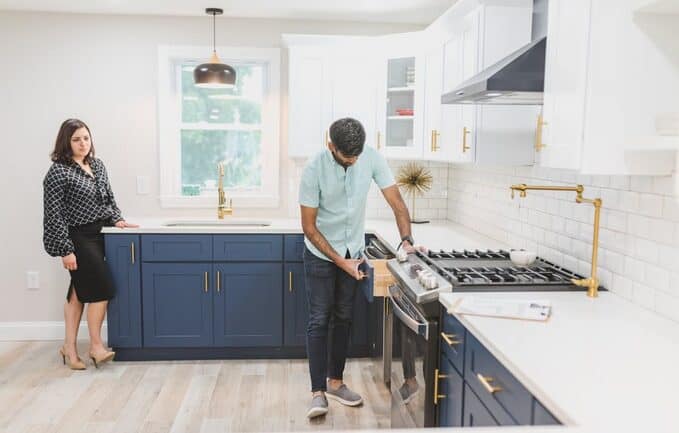
Renovating a home for sale isn’t about expressing your own style—it’s about appealing to the kind of buyer who’s likely to love your space. Are you in a neighborhood with lots of young families, or is your area more popular with downsizers or first-time homeowners? Knowing your target market will help you make design choices that speak to their preferences. Neutral palettes, open spaces, and simple yet high-quality finishes tend to have wide appeal, making it easier for buyers to see the potential in your home.
Focus on High-Impact Areas
Not every room needs a full makeover. Instead, concentrate on spaces that make the biggest impact—think entryways, kitchens, and bathrooms. These are the rooms buyers remember and talk about after a showing. A clean, modern kitchen with matching hardware and thoughtfully chosen lighting can set the tone for the entire home. Likewise, updating a bathroom with new tile or a sleek vanity can shift the feel from dated to desirable in an instant.
Don’t Neglect Curb Appeal

First impressions start the moment someone pulls up to your home. That’s why your front yard, entryway, and exterior finishes matter just as much as what’s inside. Simple upgrades like a freshly painted front door, updated house numbers, or well-maintained landscaping can go a long way. Make sure the exterior feels connected to what’s inside—it sets the expectations before the buyer ever steps through the door.
Keep It Consistent—But Not Boring
There’s a difference between cohesion and monotony. You want your design choices to flow together, but not feel repetitive. This can be as simple as using the same type of metal finishes throughout the home or sticking to a consistent color palette with subtle variation. Even small details like matching light fixtures or consistent trim styles can help tie spaces together without feeling overly matchy-matchy. Balance is key: you’re telling one story, but every room can have its own unique chapter.
When you’re renovating to sell, every design choice should help potential buyers connect with your home. A cohesive story—told through consistent finishes, thoughtful upgrades, and connected indoor-outdoor design—can elevate your listing from forgettable to unforgettable. Buyers aren’t just looking at the square footage or number of bathrooms; they’re imagining how it all feels. And when everything flows together naturally, you make it that much easier for them to say yes.…

 Renovating your private home involves updating, upgrading, or changing the existing structure. This can include anything from small cosmetic improvements to major structural alterations. Renovations can be a cost-effective way to improve your current living space without the hassle of moving. Plus, they can add value to your property and increase marketability when it’s time to sell.