


Prefab Homes Explained: How They Compare to Traditional Houses
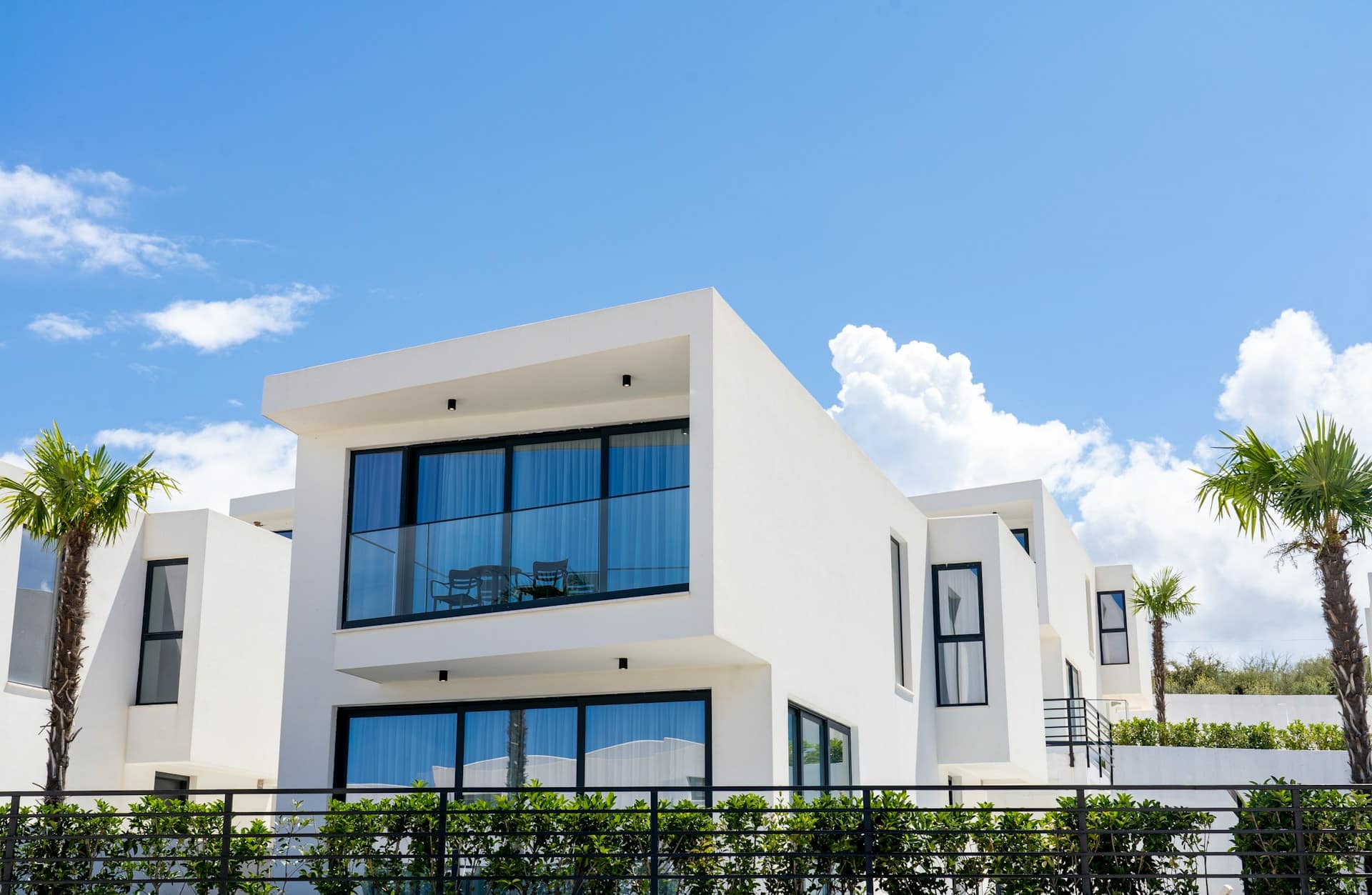
Prefab homes offer faster construction and predictable building costs, while traditional houses provide greater flexibility for fully customized designs. At promipool.de, we’ve learned that modern prefab homes go beyond practicality if we apply features like integrated garages that support today’s lifestyles. The old stereotype of prefab homes being plain boxes has faded. Today’s versions are proving that speed and style can comfortably share the same roof. But how exactly do prefab homes compare to traditional houses? Can they beat the good ol’ houses? Let’s find out.
Construction Speed Is One of the Biggest Differences
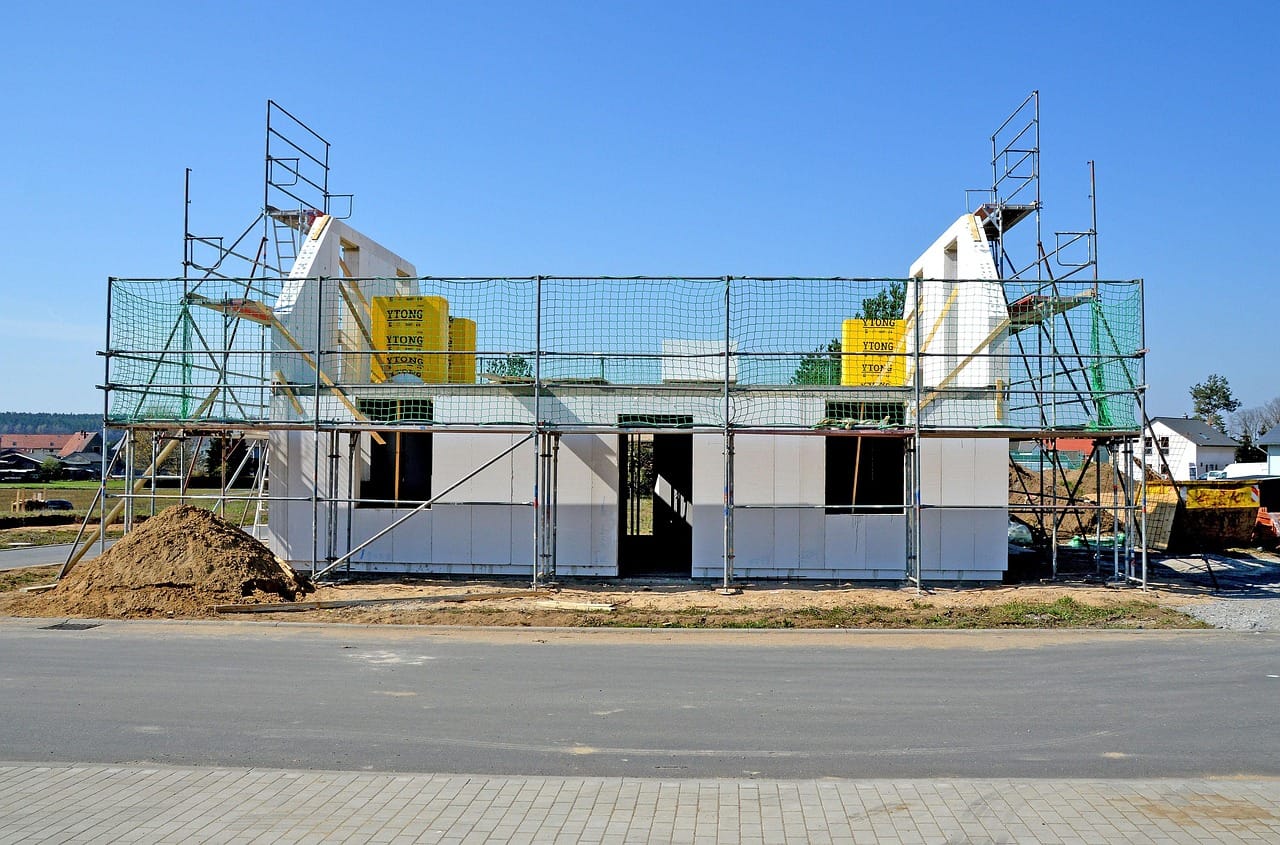
One of the greatest advantages of prefab homes is how quickly they come together. Large sections are manufactured in controlled factory settings before arriving at the building site for assembly. Weather delays have far less influence on the schedule because much of the work happens indoors. Homeowners often move in sooner than they would with conventional construction. Traditional houses usually require every stage to happen on-site. Foundations, framing, roofing, and finishing work all depend on labor availability and favorable weather. Delays can easily stack up when heavy rain or material shortages interrupt progress.
Customization Varies Between Both Options
Traditional homes generally provide greater design freedom. Homeowners can adjust room sizes, layouts, architectural styles, and finishing details with fewer limitations during planning. If someone dreams of a dramatic staircase or an unusual floor plan, conventional construction often offers more flexibility. Prefab homes have also become far more adaptable than many people realize. Manufacturers now offer numerous floor plans, exterior finishes, roofing styles, and interior upgrades. Buyers can personalize many aspects without starting entirely from scratch.
Cost Predictability Often Favors Prefab Construction
Budget surprises are among the biggest worries during any building project. Prefab homes often provide more predictable pricing because major components are manufactured before arriving on-site. Factory production also reduces material waste and minimizes interruptions caused by changing weather conditions, meaning cheaper price tags. Traditional construction can involve more unexpected expenses. Material prices may rise, labor costs can fluctuate, and project delays occasionally increase the overall budget. None of these challenges make conventional homes a poor choice. They simply require more flexibility when planning long-term costs.
Energy Performance Depends on Design Quality
Modern prefab homes are frequently built with energy efficiency in mind. Tight building envelopes, quality insulation, and advanced manufacturing methods help reduce unwanted heat loss. Those features contribute to comfortable indoor temperatures throughout the year. Lower energy consumption becomes an added benefit rather than an afterthought. Traditional houses can achieve excellent energy performance as well. The outcome depends on construction quality, insulation, windows, ventilation, and careful installation of every building component. A thoughtfully built conventional home can perform every bit as well as a prefab alternative. Good craftsmanship remains the deciding factor.
The Best Choice Depends on Your Priorities
Neither prefab nor traditional construction automatically wins every comparison. Families looking for faster completion and greater cost certainty may appreciate what prefab homes offer. Those wanting extensive architectural freedom might feel more comfortable with a conventional build. Instead of asking which option is universally better, ask which one fits your goals. Your timeline, budget, design preferences, and future plans all shape the right answer. A house basically needs to support the people who call it home, year after year, with comfort, practicality, and a place where everyday life unfolds naturally.…