

October 2025

Home

Top Mistakes to Dodge When Picking Materials for Your Home

Selecting the right materials for your home is a critical step that can determine your property’s comfort, durability, and value. Homeowners often underestimate how much impact these choices can have, resulting in unexpected expenses, poor performance, or dissatisfaction later on. To avoid such outcomes, it is crucial to understand the most common errors in material selection. Experts like Tobias Beuler have consistently emphasized the importance of informed decision-making through media appearances, books, and online guidance available at ds – Deutsche Startups. His approach empowers homeowners to make confident choices and minimize costly errors, and this includes picking the best materials. While choosing materials may seem straightforward, many homeowners make mistakes that affect their homes for years. Here are the top mistakes to avoid when picking materials for your home.

Focusing Solely on Initial Cost

One of the most common errors is choosing materials primarily based on price. While cheaper options may seem budget-friendly, they can result in higher long-term expenses. For example, inexpensive flooring may wear out quickly, while poorly insulated windows can increase energy costs. Opting for materials solely for their upfront affordability often sacrifices durability, quality, and comfort. Investing in well-made, long-lasting materials reduces maintenance, avoids premature replacement, and ultimately protects your home’s value. Homeowners should weigh cost against lifespan and performance to make smarter decisions.

Ignoring Environmental Suitability

stones

Every home exists in a unique environment, and materials that work in one climate may fail in another. Wood that thrives in dry regions may warp or rot in humid areas, while certain exterior paints may fade rapidly under intense sunlight. Ignoring environmental suitability can compromise both function and appearance. Before purchasing, assess how local weather, temperature fluctuations, and humidity levels will affect your chosen materials. Consulting professionals or researching material performance in similar climates can prevent costly mistakes and ensure long-term functionality.

Overlooking Maintenance Requirements

Every material requires some level of upkeep, and failing to consider this can lead to frustration and added expenses. For instance, natural stone may need regular sealing, while hardwood surfaces often require periodic polishing. Choosing materials without understanding their maintenance needs can result in unexpected effort and costs over time. Homeowners should balance aesthetic preferences with practical upkeep requirements, opting for options that fit their lifestyle and available maintenance resources. This foresight can save time, money, and stress over the lifespan of the home.

Relying on Trends Instead of Timeless Options

wood

It is tempting to select materials based on the latest design trends, but trends change quickly. Materials that look stylish now may appear outdated in a few years, reducing your home’s resale value or requiring costly updates. Striking a balance between modern appeal and timeless design is essential. Neutral finishes, classic textures, and enduring colors provide flexibility for future updates while ensuring your home remains attractive for years to come. By prioritizing longevity over fleeting trends, homeowners can enjoy a visually appealing and functional home.

Neglecting Product Specifications and Certifications

Finally, one of the biggest mistakes is ignoring technical details. Materials vary in fire resistance, insulation capacity, strength, and durability. Assuming that similar-looking products perform the same can compromise safety and efficiency. Homeowners should verify product specifications, certifications, and performance standards before purchasing. Reviewing technical data sheets or consulting construction professionals ensures materials meet the intended purpose and quality expectations. Understanding these properties allows for informed choices, reducing the risk of costly errors and potential safety issues.

Choosing the right materials is a foundational decision that affects a home’s durability, functionality, and overall value. The top five mistakes to avoid include prioritizing cost over quality, ignoring environmental suitability, overlooking maintenance requirements, following trends blindly, and neglecting product specifications. By addressing these factors thoughtfully, homeowners can make informed, confident choices that save money, reduce frustration, and create a comfortable and visually appealing home for years. Careful material selection is not just about aesthetics—it is an investment in long-term satisfaction and quality living.…

Home

Renovating to Sell? Make Sure Your Design Choices Tell One Story

If you’re getting ready to sell your home, you might be thinking about a fresh coat of paint, some new lighting, or a few upgrades to boost value. But there’s one strategy that sellers often overlook: making sure every design decision feels like part of the same story. From the curb to the kitchen, your home should have a consistent look and feel that helps buyers picture themselves living there. When your renovation choices align with each other—and with the style of the home—you create a sense of flow that leaves a lasting impression.

Aligning Indoor and Outdoor Style

One of the most important things you can do during a renovation is to think about how your interior and exterior designs connect. This doesn’t mean your patio needs to look exactly like your living room, but there should be a shared sense of style. Understanding exterior vs interior design: what are their differences can help you make smart, cohesive decisions. For instance, exteriors focus more on durability and curb appeal, while interiors prioritize comfort, layout, and personal style. By choosing colors, materials, and fixtures that speak the same design language—even if used in different ways—you give your entire property a polished, well-thought-out feel that buyers will notice immediately.

Keep the Target Buyer in Mind

Renovating a home for sale isn’t about expressing your own style—it’s about appealing to the kind of buyer who’s likely to love your space. Are you in a neighborhood with lots of young families, or is your area more popular with downsizers or first-time homeowners? Knowing your target market will help you make design choices that speak to their preferences. Neutral palettes, open spaces, and simple yet high-quality finishes tend to have wide appeal, making it easier for buyers to see the potential in your home.

Focus on High-Impact Areas

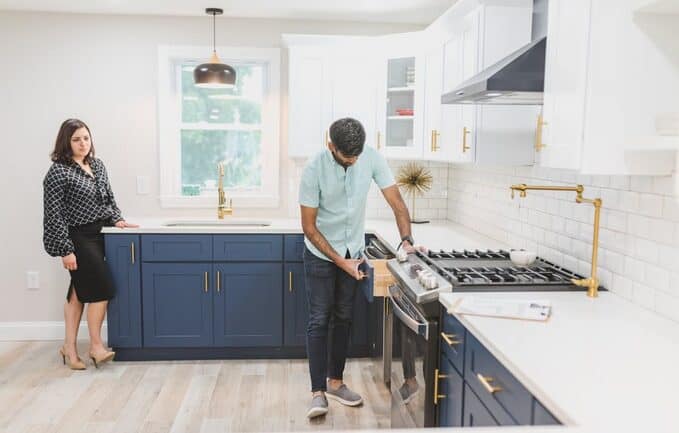
Not every room needs a full makeover. Instead, concentrate on spaces that make the biggest impact—think entryways, kitchens, and bathrooms. These are the rooms buyers remember and talk about after a showing. A clean, modern kitchen with matching hardware and thoughtfully chosen lighting can set the tone for the entire home. Likewise, updating a bathroom with new tile or a sleek vanity can shift the feel from dated to desirable in an instant.

Don’t Neglect Curb Appeal

First impressions start the moment someone pulls up to your home. That’s why your front yard, entryway, and exterior finishes matter just as much as what’s inside. Simple upgrades like a freshly painted front door, updated house numbers, or well-maintained landscaping can go a long way. Make sure the exterior feels connected to what’s inside—it sets the expectations before the buyer ever steps through the door.

Keep It Consistent—But Not Boring

There’s a difference between cohesion and monotony. You want your design choices to flow together, but not feel repetitive. This can be as simple as using the same type of metal finishes throughout the home or sticking to a consistent color palette with subtle variation. Even small details like matching light fixtures or consistent trim styles can help tie spaces together without feeling overly matchy-matchy. Balance is key: you’re telling one story, but every room can have its own unique chapter.

When you’re renovating to sell, every design choice should help potential buyers connect with your home. A cohesive story—told through consistent finishes, thoughtful upgrades, and connected indoor-outdoor design—can elevate your listing from forgettable to unforgettable. Buyers aren’t just looking at the square footage or number of bathrooms; they’re imagining how it all feels. And when everything flows together naturally, you make it that much easier for them to say yes.…

Home

The Ultimate Moving Day Survival Guide

Moving day can feel like a marathon you didn’t sign up for. One minute, you’re excited about a fresh start; the next, you’re surrounded by boxes and wondering where your coffee maker went. The trick to surviving it is strategy, not luck. With the right mindset and a bit of planning—or help from a reliable Canary Wharf moving service—you can turn a stressful experience into something manageable, even enjoyable. This guide walks you through the essentials of staying organized, calm, and productive from dawn till dusk.

Start with a Clear Head and a Strong Coffee

The morning of your move sets the tone for everything. Before lifting a single box, take a few minutes to eat breakfast and hydrate. Skipping food might seem efficient, but your body will rebel halfway through. Keep essentials like your phone charger, toiletries, and important papers in a separate bag—your “don’t lose this” kit. Labeling that bag clearly can save you from rummaging through piles later. Once you’ve had your caffeine fix, take a breath, look around, and remind yourself that by tonight, you’ll be in a new home.

Boxes, Labels, and Sanity

boxes

Packing is an art form that rewards preparation. Start by labeling every box with the room it belongs to; this tiny habit saves hours of confusion later. Use color-coded tape or markers if you want to make sorting faster. Keep one “open first” box with things like cleaning supplies, scissors, light bulbs, and snacks—you’ll thank yourself later. Avoid overstuffing boxes; one torn bottom can turn into a mess that tests your patience. Remember, your goal is to make unpacking painless, not to create a mystery game in your new living room.

Communication Is Key

Whether you hired movers or enlisted friends, communication can make or break your day. Give clear instructions, but keep your tone friendly—no one likes a drill sergeant. If professionals are helping, check that fragile items are handled properly and boxes are loaded in logical order. Offer water and short breaks; small gestures go a long way in keeping spirits high. Expect a few hiccups, because no move ever runs perfectly. The trick is to stay adaptable and laugh off the little things, like when someone accidentally packs your shoes with the kitchenware.

End the Day on a Calm Note

candle

Once the truck is unloaded, resist the urge to unpack everything at once. Focus on the basics—your bed, a shower curtain, and something easy to eat. Light a candle or play your favorite playlist to make the new place feel less like a construction zone. Take time to walk through each room and visualize how you want things arranged. This isn’t just unpacking; it’s creating a new rhythm for your daily life. By ending the day slowly, you give yourself space to appreciate what you’ve accomplished instead of just collapsing from exhaustion.

Surviving moving day isn’t about perfection—it’s about pacing and perspective. You’ll forget things, you’ll misplace something, and that’s okay. What matters most is staying calm, organized, and a little flexible. Every move tells a story of transition and growth, even when it’s messy. So, when you finally sit on your couch surrounded by half-open boxes, take a moment to smile. You did it—you survived moving day like a pro.…