


How to Turn a Messy Yard into a Functional Garden Retreat
Transforming a messy yard into a functional garden retreat doesn’t require a massive budget—just vision, planning, and a bit of creativity. Whether you’re dealing with overgrown grass, scattered debris, or awkward layouts, the first step is to clear the space and reimagine its potential. Midway through the process, drawing from inspiring low-cost small garden transformations can help you visualize practical ways to add charm and structure. With thoughtful planting, compact seating areas, and multipurpose design elements, you can turn even the most neglected outdoor space into a serene, beautiful escape.
Start with a Clean Slate
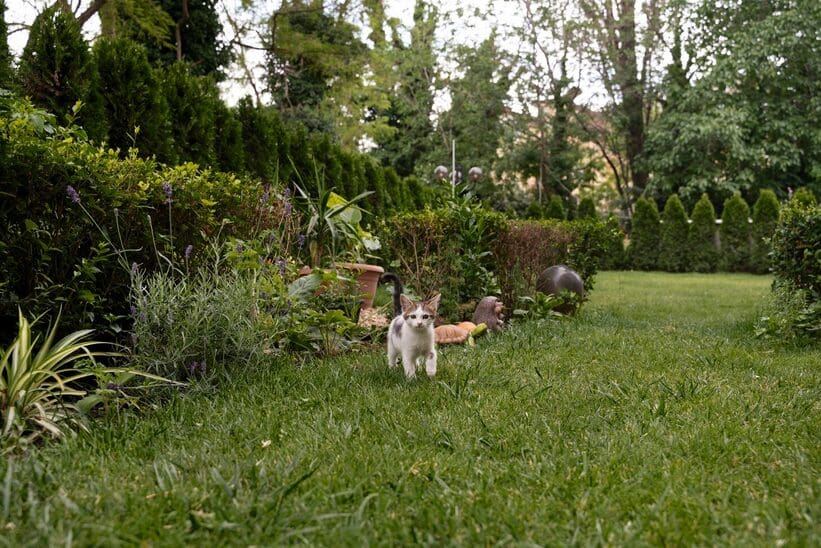 Before anything else, clear out the mess. Remove dead plants, trim overgrown trees and hedges, and get rid of any broken or unused items. This phase may be labor-intensive, but it’s essential to reveal the space you have to work with. Once the yard is clear, take note of how the sun moves through it, where the wind hits hardest, and which areas naturally feel most comfortable. These observations will help you decide where to place garden beds, seating areas, and shade structures.
Design with Function in Mind
A functional garden retreat should suit your lifestyle. Think about how you want to use the space—do you want a quiet place to read, a small vegetable patch, or a patio for entertaining? Use these goals to define zones within your yard. A sitting area with comfortable chairs and a small table can create an instant relaxation zone, while raised beds or planters make growing herbs and flowers easy to manage. Creating dedicated areas for specific uses makes the space feel intentional and inviting.
Focus on Low-Maintenance Landscaping
 To avoid turning your garden retreat into another chore, opt for low-maintenance landscaping solutions. Choose native or drought-resistant plants that thrive in your climate with minimal care. Incorporate mulch or ground covers to suppress weeds and retain moisture. Gravel paths or stone walkways can guide movement through the garden while adding texture and structure. These features not only keep your garden looking tidy but also reduce the amount of time you’ll spend on upkeep.
Add Layers of Comfort and Style
A true garden retreat should engage all the senses. Add soft elements like outdoor cushions, throw blankets, or a hammock to create comfort. Use solar lighting, lanterns, or string lights to keep the space usable in the evenings. A water feature like a fountain or birdbath can bring calming sounds, while carefully placed planters filled with lavender or jasmine add fragrance. Think of your garden as an outdoor room—each layer should contribute to its atmosphere and usability.
Maintain the Balance
 Once your garden is complete, keeping it functional means staying consistent with care and clutter control. Regularly prune plants, refresh mulch, and keep decorative elements clean and organized. Consider storing tools and supplies in a garden shed or stylish storage bench to prevent clutter from building back up. By maintaining the balance between nature and order, your garden retreat will stay welcoming throughout the seasons.
Transforming a messy yard into a functional garden retreat is less about perfection and more about creating a space that reflects comfort, beauty, and purpose. With thoughtful planning, practical design, and a commitment to simplicity, your outdoor space can become a personal haven, no matter how it started. The key is to start with what you have and let each improvement bring you one step closer to the peaceful retreat you deserve.…